


„Am nachhaltigsten ist, was lange hält“
Christian Priebe erklärt, wie er Nachhaltigkeit durch
die hohe Qualität seiner Produkte erreicht und damit die Umwelt schützt
Nachhaltig, möglichst CO2-neutral leben und den eigenen Konsum danach ausrichten: Diesen Lebensstil verfolgen immer mehr Menschen, um weitere Klimaerwärmung und Umweltkatastrophen abzuwenden. Gleichzeitig leben wir in einer Wegwerfgesellschaft, in der es oftmals billiger ist, ein Produkt neu zu kaufen, als es zu reparieren. So entstehen Berge von Müll. Einen ganz anderen Weg geht das Unternehmen PricoPlex: Dessen Kunststoffschalen für die Präsentation in Frischtheken sind dank der hohen Qualität länger haltbar, langlebig und damit nachhaltig.

Nachhaltigkeit durch hohe Qualität
Plastikmüll ist nicht nur schlecht für die Umwelt, sondern auch schädlich für die Gesundheit. In den Weltmeeren gelangen immer mehr Plastikteilchen in die Mägen von Fischen und damit am Ende der Nahrungskette auf unsere Speiseteller. Inzwischen landet Jahr für Jahr die unvorstellbare Menge von bis zu zehn Millionen Tonnen Plastikmüll in den Weltmeeren. Das Umweltbundesamt schätzt, dass sich zwischen 100 und 150 Millionen Tonnen Plastik in den Meeren unserer Erde befinden. Allein im Mittelmeer zirkulieren Schätzungen zufolge rund 250 Millionen Einzelteile. Wie kann dem Problem der immer weiter zunehmenden Umweltverschmutzung begegnet werden?
Papier oder Plastik? Es kommt auf das Recycling an
Einfache Antworten auf die Frage nach der umweltverträglichsten Lösung gibt es nicht. So ist etwa der Energiebedarf für die Herstellung von Papiertüten wesentlich größer als für die Produktion von Plastiktüten, weiß Christian Priebe, Geschäftsführer des Schalenherstellers PricoPlex in Eresing. „Es ist wichtig, dass wir den Kreis schließen. Kunststoffe lassen sich gut recyceln, wenn die Entsorgungswege klar sind.“ Leider sei das aktuell noch überhaupt nicht der Fall. Priebe ist durch seine Tätigkeit zum Experten für Nachhaltigkeit geworden. Wenn er sieht, was alles in die gelbe Tonne geworfen wird, bekommt er Magenschmerzen. Eine Aufklärungskampagne in der Bevölkerung zum Thema Entsorgung ist dringend nötig.
Nachhaltige Qualitätsprodukte senken den Ressourcenverbrauch
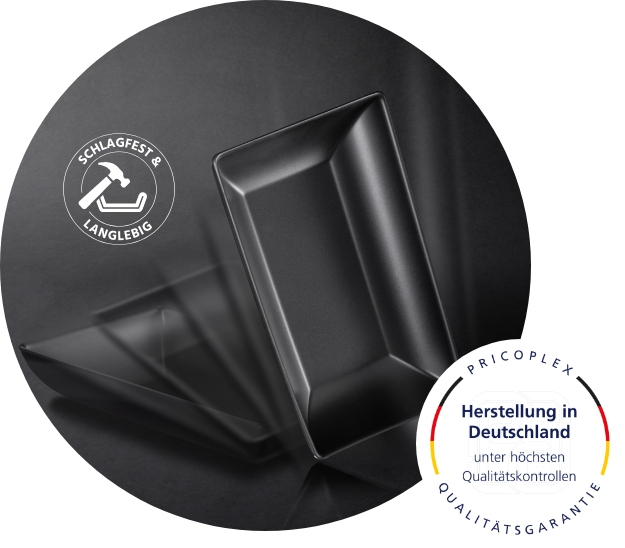
Wie aber definiert Priebe Nachhaltigkeit? „Am nachhaltigsten ist für mich, was lange hält“, sagt der Chef des Schalenherstellers PricoPlex. Die lange Haltbarkeit ist bei seinen Produkten Programm: „Sehen Sie, die Herstellung von Schalen ist sehr energieintensiv. Wenn nun die Schalen wegen ihrer Zerbrechlichkeit oft getauscht werden müssen, entsteht dadurch ein hoher Energieverbrauch. Bestücke ich meine Frischtheke aber mit hochwertigen Kunststoffschalen, senke ich dadurch im Vergleich zu Produkten mit kurzer Lebensdauer – was im Übrigen auch auf billige Kunststoffschalen zutrifft – den Ressourcenverbrauch.“ Analog verhält es sich mit den Papiertüten. Wenn diese schon nach einer Benutzung reißen, wurden für ihre Herstellung unnötig Ressourcen verschwendet.
Robuste Verbundstoffe statt Melamin schaffen Nachhaltigkeit
Da die Ressourcen unserer Erde begrenzt sind, müssen sie geschont werden. Das ist Priebes Philosophie. Die Kunststoffschalen, die sein Unternehmen produziert, haben eine lange Halbwertszeit. Erreicht wird sie durch den Einsatz höchst robuster Kunsttoffe. Melamin wird für die Schalenproduktion überhaupt nicht eingesetzt. Zum einen ist es nicht bruchfest, zum anderen ist es nicht recyclefähig.
Das Auge kauft mit
Nachhaltigkeit hat für den Experten auch mit der Optik zu tun. Denn wenn eine Schale nicht mehr schön aussieht, wird sie aussortiert. Priebes Schalen sollen aber möglichst lange die Frischtheken zieren. Das gelingt PricoPlex, mit einer abschließenden Schicht Plexiglas, das die Oberfläche der Schale versiegelt. Zudem ist das Plexiglas mit der gleichen Farbe durchgefärbt wie das Trägermaterial. Kratzer, die in der täglichen Arbeit immer wieder entstehen, fallen dann nicht auf. Somit kann die Schale den optischen Ansprüchen lange genügen, wird lange verwendet, ist ressourcenschonend und damit nachhaltig.
Das zweite Leben der Schale
Wenn die Schalen eines Tages aber doch ausgedient haben, können sie wiederverwertet werden. Priebe erklärt, wie er den Kreis schließt: „Unsere Schalen sind gekennzeichnet mit den verwendeten Kunststoffen. Wir nehmen die Schalen vom Kunden zurück und geben sie dann wieder in den Kreislauf. Zunächst wird der Kunststoff der aussortierten Schalen vermahlen. Dann geht das Kunststoffmehl wieder in den Produktionskreislauf. Wir dürfen recycelte Kunsstoffe zwar nicht wiederverwenden, weil unsere Schalen mit Lebensmitteln in Kontakt kommen. Doch es werden daraus dann zum Beispiel Werkzeugträger für die Industrie oder Blister für elektrische Zahnbürsten gemacht.“
Nachhaltigkeit durch hohe
Qualität made in Germany
Das dem auch wirklich so ist, kann Priebe leicht nachvollziehen, denn produziert wird aus Qualitätsgründen in Deutschland. Das Ergebnis kann sich sehen lassen:
„Viele unserer Kunden haben ihre Schalen seit 20 Jahren im Einsatz. Das ist für mich nachhaltig. Denn kaufe ich billig, kaufe ich zweimal. Das will ich nicht für unsere Kunden. Unsere Produkte haben deshalb einen langen Lebenszyklus.“
Nachhaltigkeit durch hohe
Qualität auch am Firmensitz
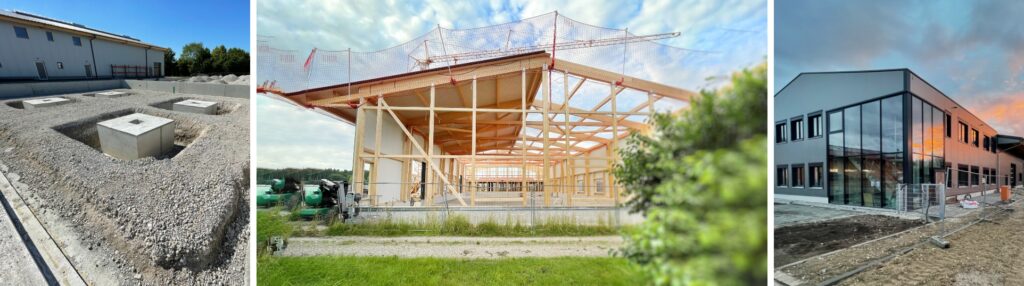
Logischerweise hat Priebe auch beim Firmensitz selbst immer die Umwelt im Blick: Die Gebäudeheizung in Eresing funktioniert über eine Wärmepumpe, gespeist aus Erdwärme. Die hauseigene PV-Anlage produziert umweltfreundlichen Strom. Und das Gründach filtert die Luft, kann Wasser zwischenspeichern und sorgt für Abkühlung bzw. Isolation der Büroräume. „Durch den Neubau sparen wir 160.000 Tonnen CO2 ein“, freut sich Priebe, der sich das Thema Nachhaltigkeit zur Lebensaufgabe gemacht hat.
Bau des nachhaltigen Firmensitzes